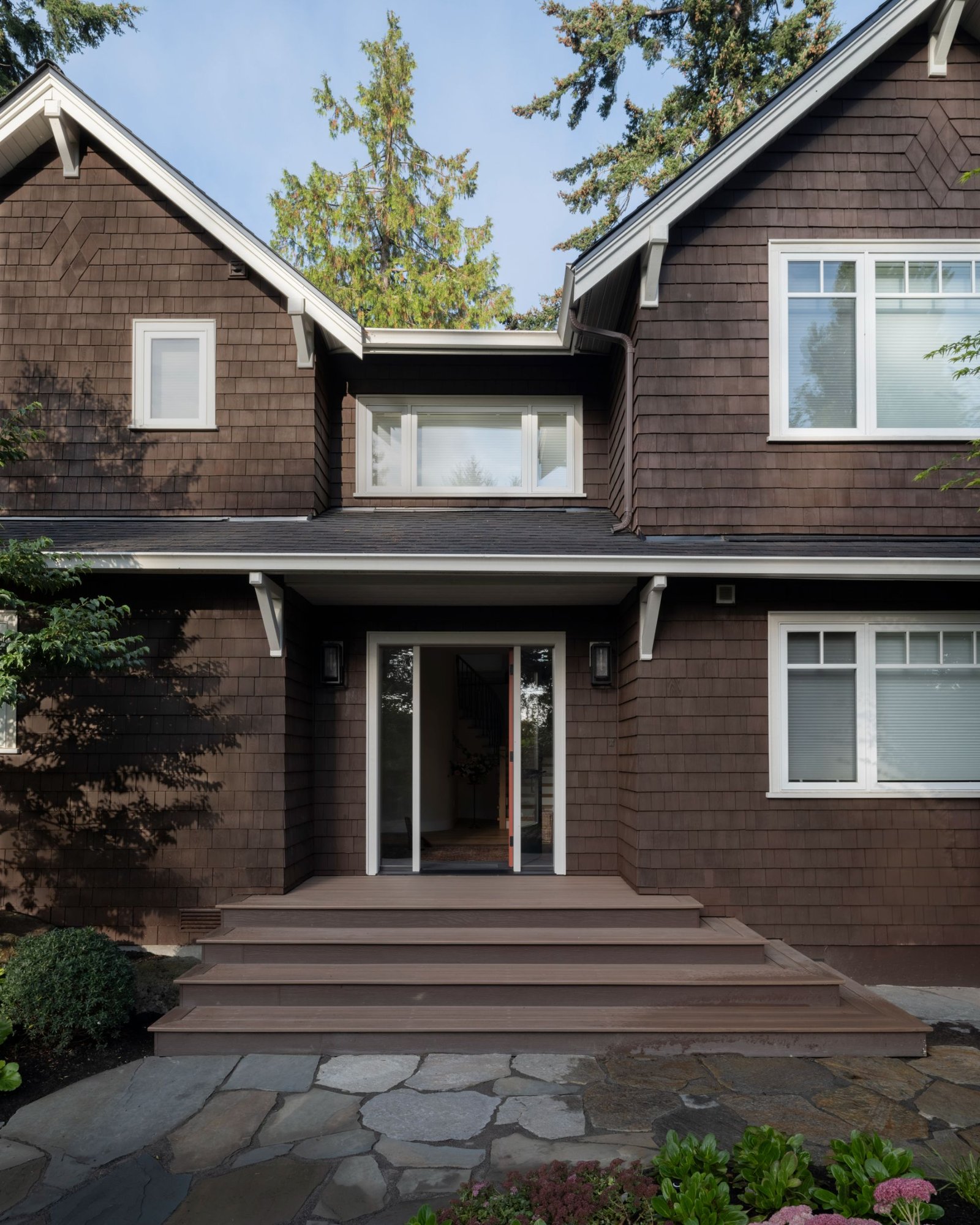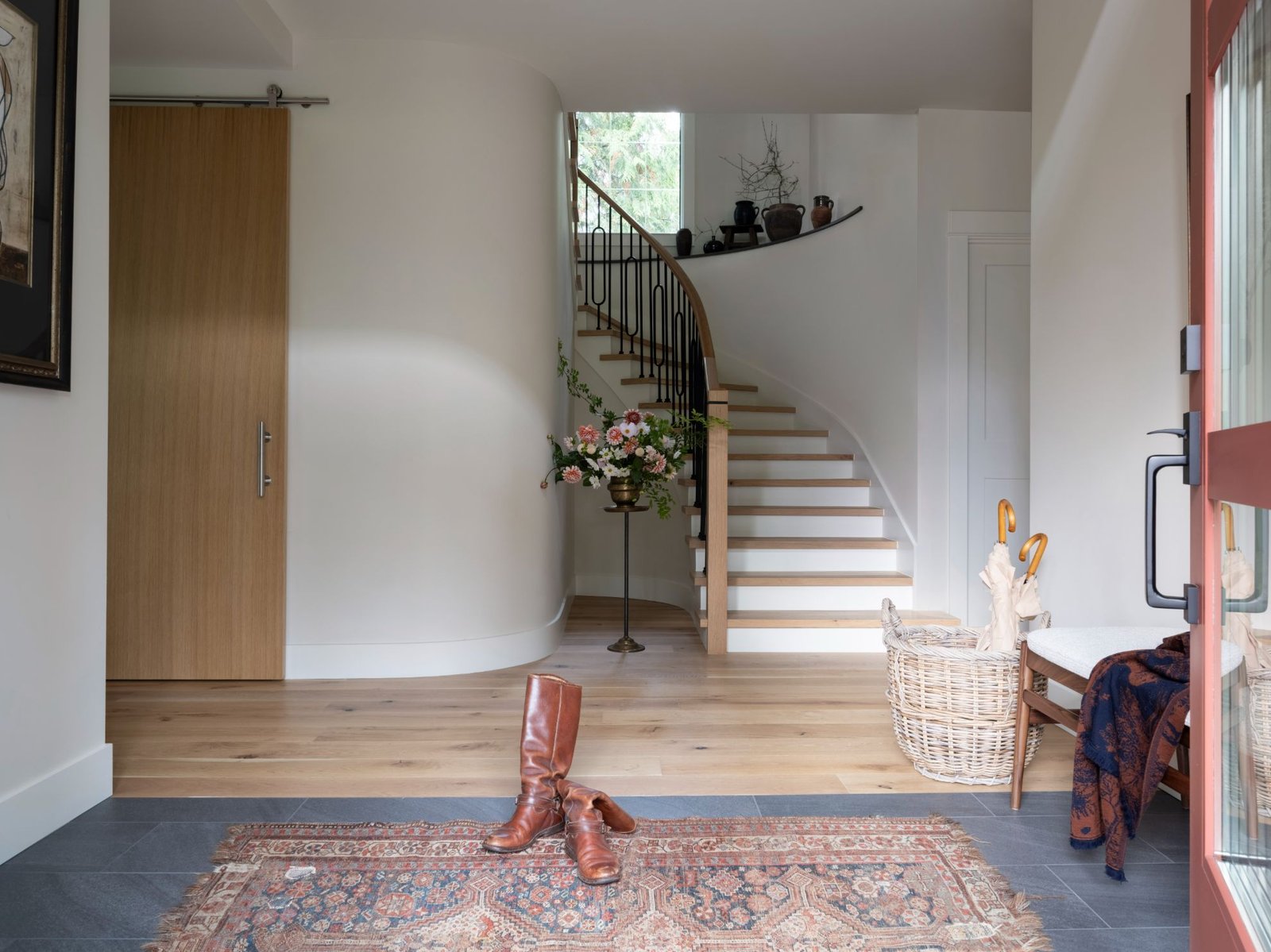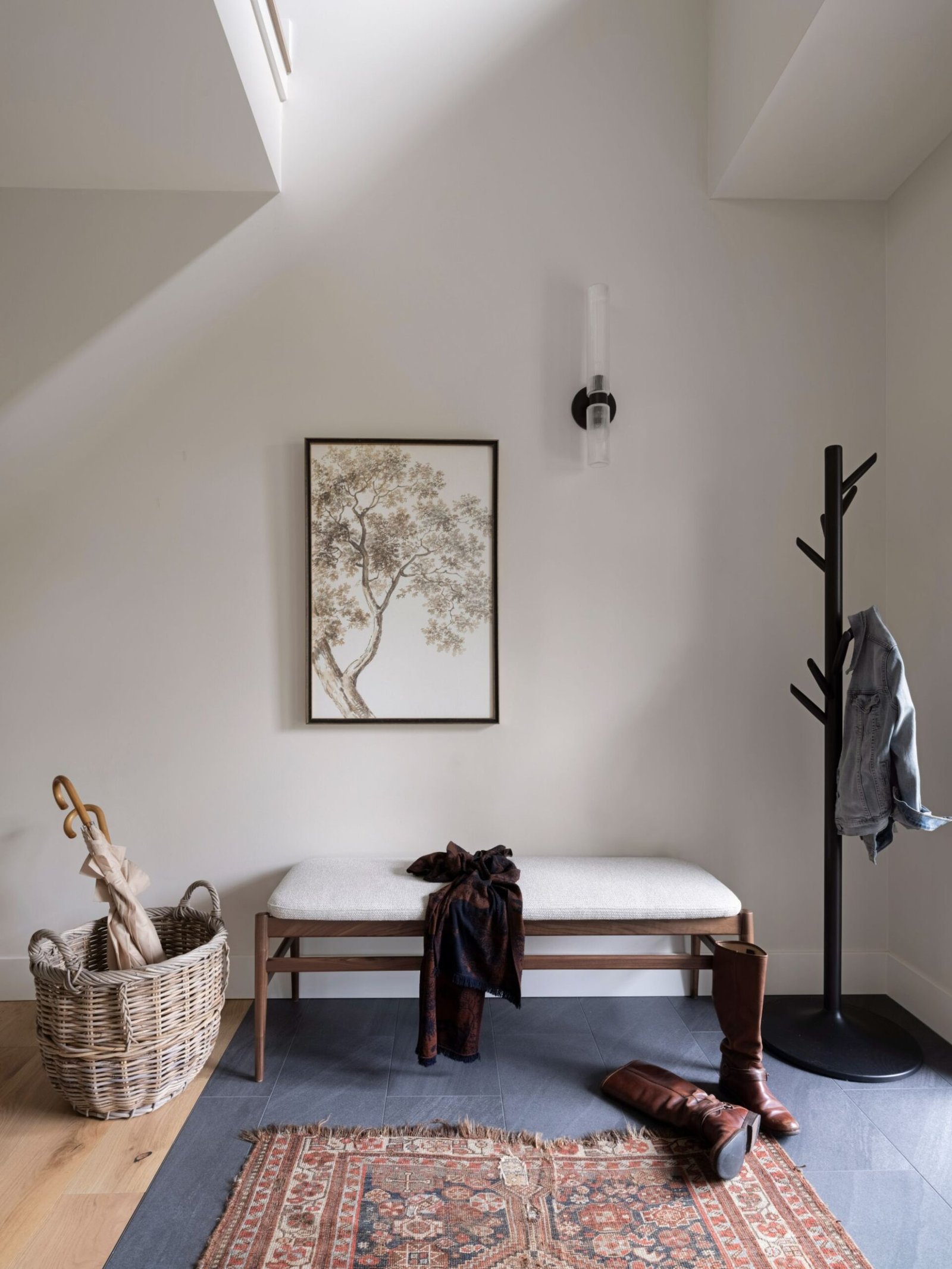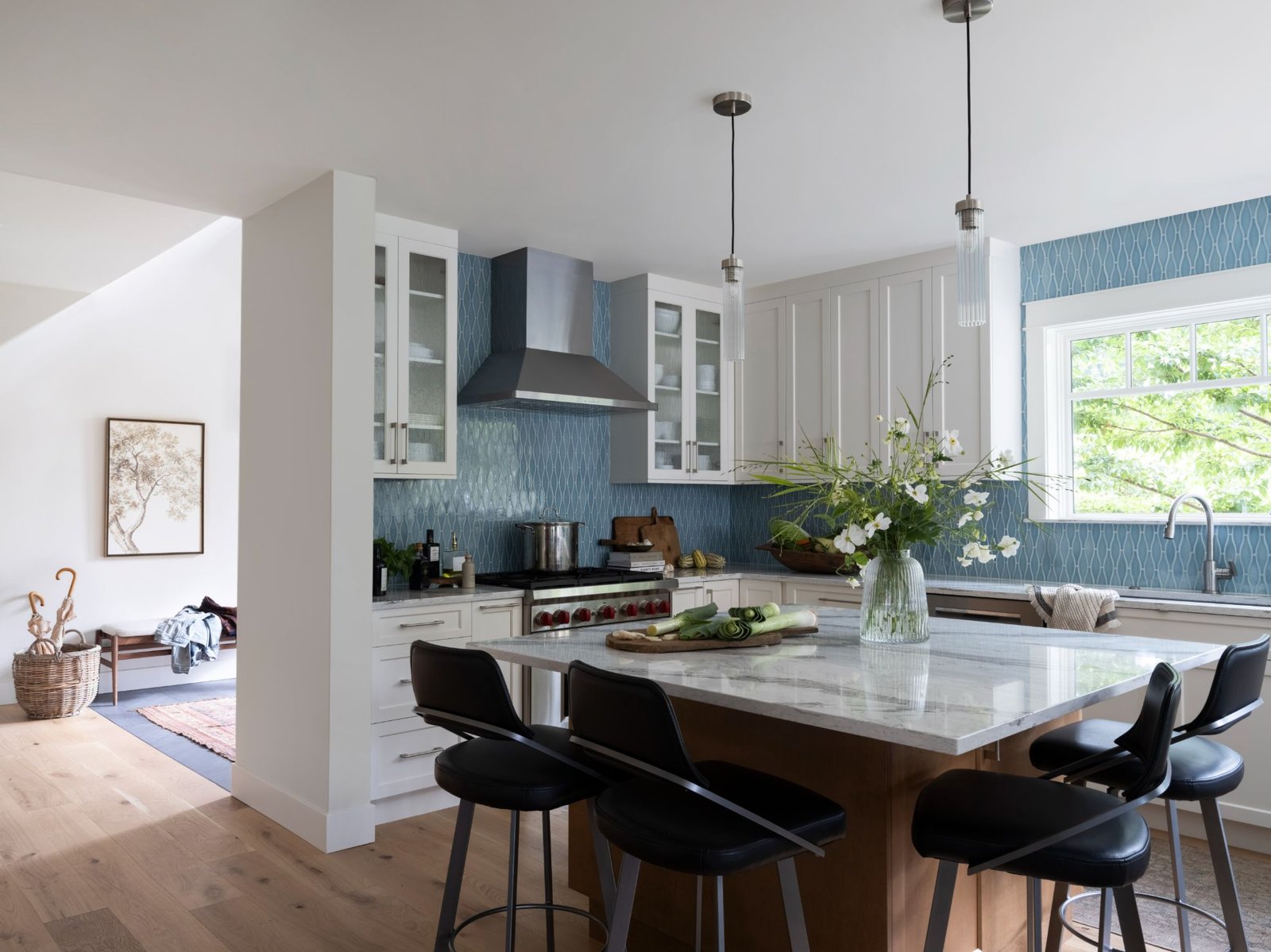

What is an ADU? It’s a question more and more Seattle homeowners are asking as housing prices rise and the supposed recession looms over us. Flexible living spaces have now become more valuable than ever. Whether you’re looking to create a rental unit, build more space for your family, or increase the value of your property, ADUs and DADUs are a smart, long-term investment.
In this blog, we’ll walk through the ins and outs of building an ADU in Seattle—from the different types available to the pros, cons, and what it actually takes to get one built.
Looking for something in particular?
- What Is an ADU?
- What Is a DADU?
- Why Build an ADU in Seattle?
- Who Are ADUs & DADUs For?
- Do ADUs Increase Property Value?
- ADUs vs. DADUs: What’s the Same? What’s Different?
- Pros & Cons of ADUs & DADUs
- Seattle-Specific ADU Regulations to Know
- ADU Building Costs in Seattle
- Timeline to Build an ADU
- Design Tips for a High-Impact ADU or DADU
What Is an ADU?
ADU stands for Accessory Dwelling Unit—a small, self-contained home located on the same lot as a single-family house. There are three main types of ADUs:
Interior ADU
Built within the existing footprint of the main home, such as a basement or attic conversion.
Attached ADU
Built as an addition to the main house, sharing at least one wall.
Detached ADU (DADU)
A completely separate structure in the backyard or elsewhere on the same property.
These units typically include their own entrance, kitchen, bathroom, and living area—making them ideal for rentals, in-law suites, or guest accommodations.
What Is a DADU?
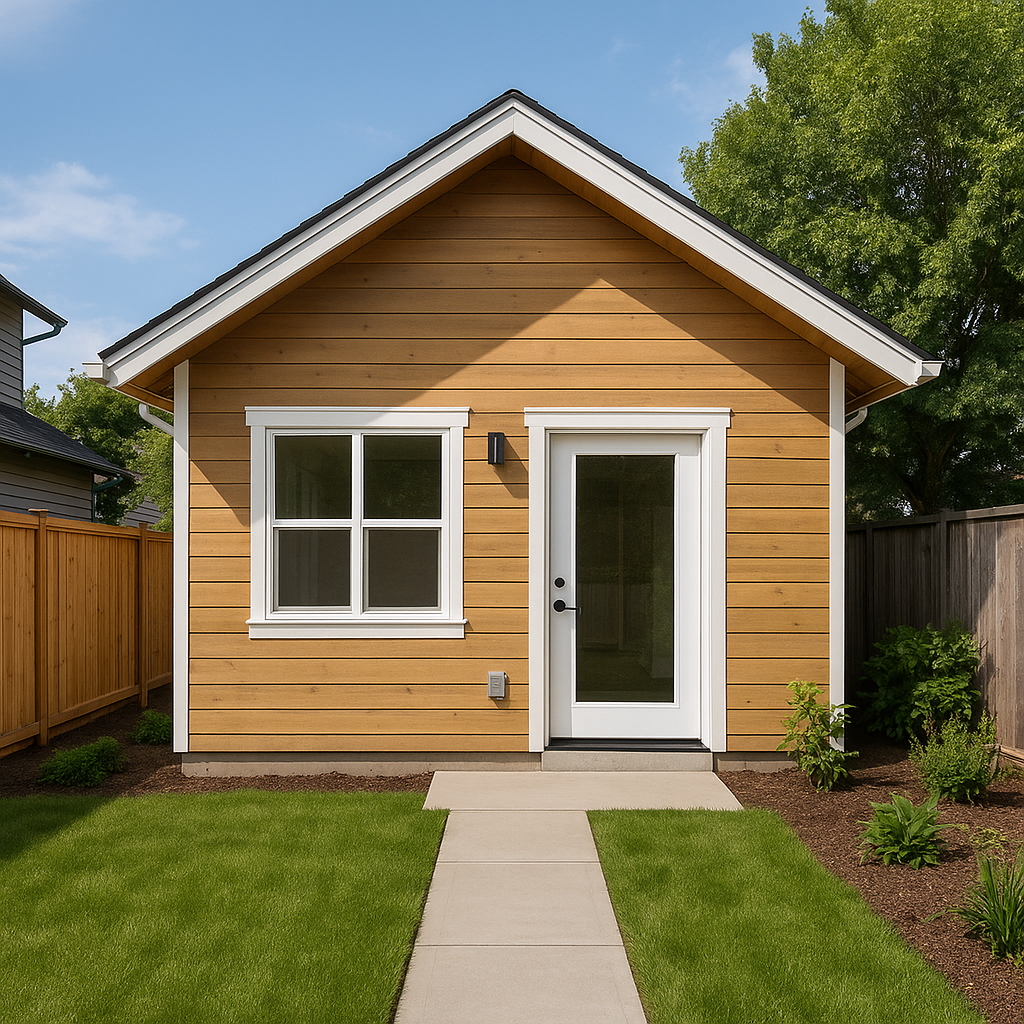
A DADU, or Detached Accessory Dwelling Unit, is a standalone structure that functions independently from the main home. Often referred to as backyard cottages, laneway homes, or carriage houses, DADUs are a growing trend among Seattle homeowners thanks to new city regulations that make them easier to build.
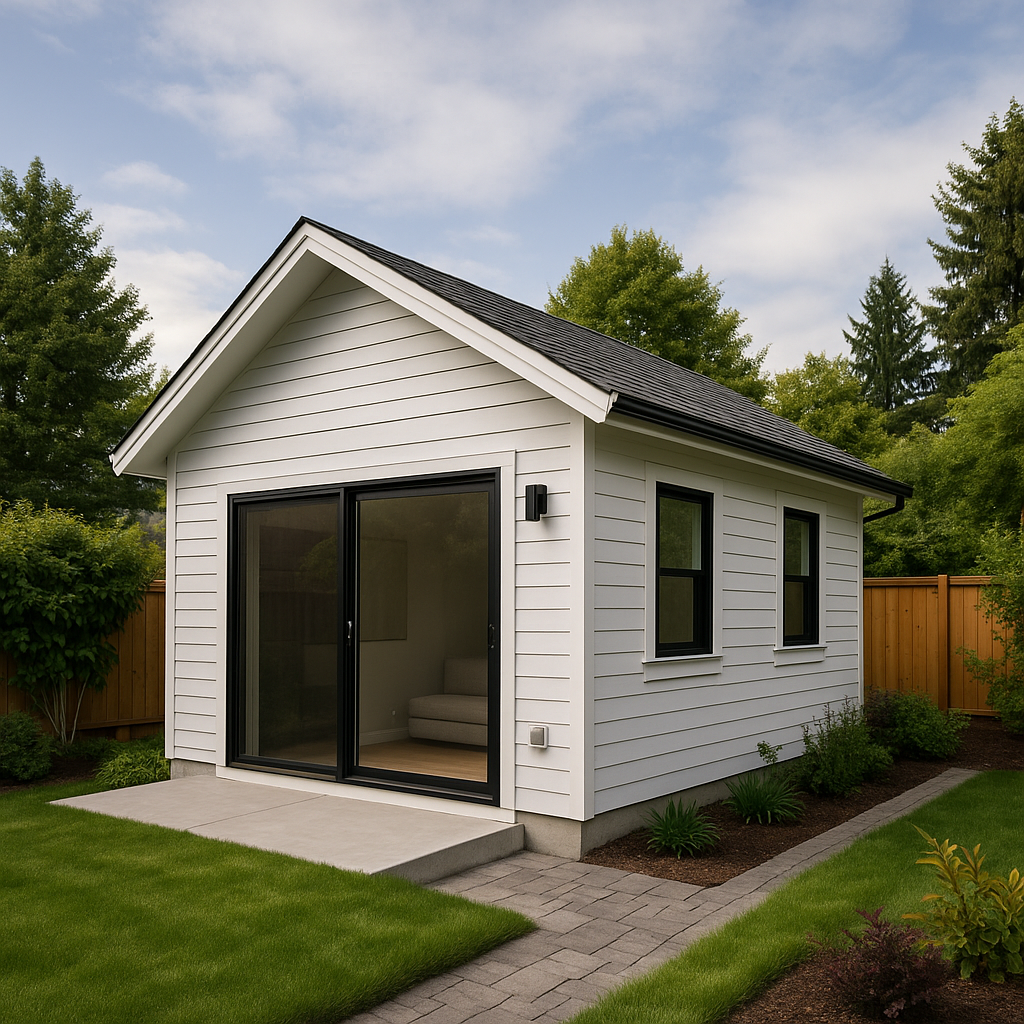
Because they offer complete privacy, full design flexibility, and added square footage, DADUs are popular for long-term rentals, short-term Airbnb use, and multigenerational living.
Why Build an ADU in Seattle?
Now that you know what ADUs and DADUs are, why should you consider building one? Seattle is one of the most ADU-friendly cities in the country. Recent zoning changes have made it easier to build ADUs and DADUs in Seattle, removing owner-occupancy requirements and even allowing two ADUs per lot in some zones.
These policy updates, paired with rising property values and rental demand, make now a great time to work with an experienced ADU builder to maximize your investment.
Who Are ADUs & DADUs For?
ADUs and DADUs are incredibly versatile and can serve a wide range of homeowners depending on their needs.
Here’s who they’re best suited for:
Homeowners Looking for Rental Income
Whether it’s long-term tenants or short-term guests, ADUs provide an excellent way to generate passive income and help offset your mortgage.
Families with Multigenerational Living Needs
Keep your old parents close—or provide some extra space for your college kids when they come home—all without sacrificing privacy.
Homeowners with Frequent Guests
Got in-laws or friends that can’t seem to leave your home? Get ’em an ADU to shelter in (you might be able to charge them a fee 😉 )
Remote Workers or Entrepreneurs
A detached unit or basement conversion makes for the perfect private office, studio, or creative retreat.
Those Planning to Age in Place
Some homeowners build ADUs for themselves to downsize while renting out the main house, allowing them to stay in their neighborhood while simplifying life.
Future-Focused Investors
If you’re looking to boost your property value and have long-term real estate goals, ADUs and DADUs are one of the smartest ways to do it in Seattle’s evolving housing market.
Do ADUs Increase Property Value?
ADUs most certainly increase property value! Here are 5 ways how:
1. More Livable Square Footage
Adding an ADU increases the total usable living space on your property, which naturally bumps up its market value—especially in high-demand areas like Seattle, where space is at a premium.
2. Rental Income Potential
Homes with ADUs appeal to buyers looking for built-in income opportunities. Whether it’s a long-term tenant or short-term rental like Airbnb, the potential cash flow is a major value-add.
3. Multigenerational Appeal
More and more buyers want flexible living arrangements. An ADU can serve as a home for parents, kids, or guests—making your property more desirable to a wider range of buyers.
4. Strong ROI (Return on Investment)
While construction costs vary, studies show that homes with ADUs sell for significantly more than those without. In Seattle, the added value can range from $100K to $300K+, depending on location, design, and finishes.
5. Long-Term Marketability
As housing affordability continues to be a challenge, ADUs make homes more adaptable and future-proof. That flexibility is something buyers increasingly look for.
ADUs vs. DADUs: What’s the Same?
Both ADUs and DADUs:
- Are fully independent living spaces.
- Must meet Seattle zoning and building code requirements.
- Increase your property’s livable square footage.
- Can be used for rental income or personal use.
ADUs vs. DADUs: What’s Different?
| Feature | ADU (Interior/Attached) | DADU (Detached) |
| Structure | Inside or attached to main home | Standalone building |
| Privacy | May share walls or entrances | Fully private |
| Cost | Typically less expensive | Often more costly |
| Yard Impact | Minimal | Takes up backyard space |
| Design Options | Limited by existing structure | Highly customizable |
Pros & Cons of ADUs
ADUs
Pros:
- Lower cost to build
- Easier to hook into existing plumbing/electric
- Great use of unused space
Cons:
- Less private
- Design may be limited
- May reduce space in main home
Pros & Cons of DADUs
Pros:
- Full privacy and independence
- Great for rentals or family housing
- Higher resale value
Cons:
- More expensive to build
- Requires adequate lot space
- May need additional permitting steps
Common Uses for ADUs & DADUs
- Rental Income: Long-term or Airbnb
- Multigenerational Living: Aging parents, adult children
- Guest Suite: Visiting family and friends
- Home Office or Studio: Quiet, separate space for remote work or hobbies
Building an ADU in Seattle
If you’re interested in building an ADU, here’s everything you need to know.
Seattle-Specific ADU Regulations to Know
Seattle is considered one of the most ADU-friendly cities in the country—but there are still important regulations homeowners must understand before building. Here’s a quick breakdown of the current rules to keep in mind when planning an ADU or DADU:
Size & Location Limits
Attached or interior ADUs must be no larger than 1,000 square feet. Detached ADUs (DADUs) can be up to 1,000 square feet of living space, not including garage or storage areas. A lot can now have two ADUs total—either one attached and one detached, or two attached (depending on the zone).
Setbacks & Height Restrictions
DADUs must follow backyard setback rules, typically 5 feet from side and rear lot lines. Maximum height varies based on lot size and roof type but is usually 16–24 feet.
Parking Requirements
Parking is no longer required for new ADUs in most zones—great news for urban lots. However, it’s worth noting that some neighborhoods or homeowner associations may have additional parking considerations.
Owner-Occupancy & Short-Term Rentals
Seattle no longer requires the property owner to live on-site to build an ADU or DADU.Short-term rentals (like Airbnb) are allowed with proper registration, but there are specific rules on how many properties you can list as a host.
Permitting & Design Review
Permits are required through the Seattle Department of Construction & Inspections (SDCI).If your project is in a historic district or environmentally critical area, additional reviews may be necessary.
Common Mistakes to Avoid When Building an ADU
Building an ADU in Seattle is a smart investment—but it’s not without its challenges. Here are some of the most common mistakes we see homeowners make (and how to avoid them):
1. Not Understanding Zoning or Permit Requirements
Every neighborhood has its own rules, and skipping research (or choosing the wrong contractor) can cause costly delays. Always work with an experienced Seattle ADU builder who knows the permitting landscape inside and out.
2. Underestimating the Budget
Even small units can bring big surprises—foundation work, utility upgrades, and permitting fees add up fast. Be realistic, build in a contingency budget, and get a full project estimate before breaking ground.
3. Designing Without the End User in Mind
Is this unit for renters? Aging parents? You? Design choices like soundproofing, storage, and accessibility should reflect who’ll be living there—not just what looks good in photos.
4. Choosing the Wrong Contractor
An ADU isn’t just a scaled-down house. It requires knowledge of compact living design, local code compliance, and efficient use of space. Make sure your contractor has experience specifically with ADUs and DADUs in Seattle.
5. Forgetting About Functionality
Avoid overdesigning or using every inch of space just because you can. Small doesn’t mean cramped—prioritize natural light, smart layouts, and durable, low-maintenance materials.
ADU Building Costs in Seattle
Ready to build your first ADU? Here’s about how much you can expect on this investment:
- Interior/Attached ADU: $100,000–$250,000+
- DADU: $200,000–$400,000+
Costs vary depending on site conditions, materials, permits, and labor. While DADUs are more expensive, they tend to offer greater rental returns and resale value.
Financing options:
- HELOC (Home Equity Line of Credit)
- Cash-out refinance
- Personal loans
- ADU construction loans
Timeline to Build an ADU
- Planning & Design – 2–3 months
- Permitting – 2–4 months depending on city backlog
- Construction – 4–8 months, depending on complexity
Working with a professional ADU builder in Seattle can streamline the process, especially when navigating city-specific zoning and permitting.
Design Tips for a High-Impact ADU or DADU
- Let in natural light with skylights or large windows
- Use built-ins to maximize storage
- Keep design cohesive with the main home
- Consider eco-friendly upgrades (solar panels, rainwater systems)
- Use durable, low-maintenance materials
So, Which Is Right for You?
Choosing between an ADU and DADU depends on your space, budget, and goals. If you have room in your yard and want more privacy or rental potential, a DADU might be the way to go. If you’re working with a tighter budget or smaller lot, an interior or attached ADU could be perfect.
Build with Confidence: Partner with a Trusted Seattle ADU Builder
Whether you’re envisioning a cozy backyard cottage or converting your basement into an in-law suite, we’re here to help. As experienced ADU builders in Seattle, we specialize in designing and constructing beautiful, efficient spaces that add value and functionality to your home.
Ready to get started? Contact us today for a consultation and let’s bring your ADU or DADU vision to life.